Why does it take women so long to find out they're autistic or ADHD?
I had a conversation a few weeks ago with a woman in her fifties who had just had her autism and ADHD diagnoses. She was relieved, but also frustrated: she had been telling people for years that something was different, something didn’t add up. How did nobody notice?
In this blog post I will explain why this happens all too often, what it does to women who spend decades not knowing, and what I think has to change. If you’re in this right now, take care when reading and take it in chunks if that helps.
Two things before I start: I'm using "women" throughout, but most of this post applies to anyone who was raised as a girl, or identifies as female. Autistic and ADHD people are more likely than average to be trans or gender diverse, so if that's you, you're very much included. Secondly, this post is also for you whether you are diagnosed autistic or ADHD, self-identifying, or just wondering for now.
So why does it take so long?
There isn't one reason, which is part of the problem. It's several things stacking up.
Masking is the one most people have heard of. Women, and plenty of men too, camouflage their differences and compensate for the things they find difficult so they can blend in. What gets missed is how well it works in public and what it costs in private.
Autism and ADHD tend to show up less obviously in women. Deep interests are often in things society finds unremarkable - horses, literature, a particular band, other people. Distress is more likely to be turned inwards than expressed in a way that disrupts a classroom. The research also suggests women are on average more socially motivated, though I'd want to add that girls are taught to be, fairly relentlessly, from about the age of three.
The diagnostic criteria were written around boys. They were built on what autism and ADHD look like in boys, and then interpreted that way for decades. It's really only in the last ten years or so that we've started to notice that social communication differences, or repetitive behaviours, or impulsivity, can look very different to the stereotypes originally taught.
More and more women are being discovered as autistic and ADHD around postpartum, perimenopause and menopause
Hormonal shifts often come later in life. While neurodivergent teenagers do often have a harder time than their peers, this is often just written off as “normal” adolescence. More and more women are being discovered as autistic and ADHD around postpartum, perimenopause and menopause, because it’s then that the hormonal shift makes it harder to manage.
This is also the exact point when there are more demands, fewer resources, and meanwhile it’s impossible to use old coping strategies that rely on time and choice. The characteristics have always been there, but they suddenly become much more obvious.
The distress has to go somewhere
Many women often end up with a collection of other diagnoses: anxiety disorders, depression, eating disorders, bipolar disorder, personality disorders.
Sometimes those difficulties are genuinely there, often as a result of the years of masking and traumatic experiences of judgement, exclusion, and living in a world that doesn’t fit. Sometimes it’s simply that the features of autism and ADHD have been mis-read as something else, but often it's a bit of both.
We now know that there’s often physical health issues running alongside, too, which gets even less attention – a history of hypermobility, PMDD, autoimmune conditions, gut problems, for example.
Women are also likely to have received some of the more socially acceptable neurodivergence diagnoses along the way, such as dyslexia, or sensory processing disorder. And then there are the informal, unkind labels: dramatic, attention-seeking, shy, stubborn, lazy, too sensitive.
It’s worth highlighting that this experience can be even more acute for women from Black and minority ethnic groups – who are diagnosed later and are even more likely to be misdiagnosed and stigmatised along the way.
What was the bigger picture pulling all the features together, and why weren't the usual treatments helping?
What has always bothered me is that so often, women have seen multiple clinicians without anyone ever asking what was underneath it all. What was the bigger picture pulling all the features together, and why weren't the usual treatments helping? Nobody was connecting any of it. And when women, or their parents, did ask for help, they were very often told they were imagining it, over-reacting, or that it's normal, everyone finds that hard.
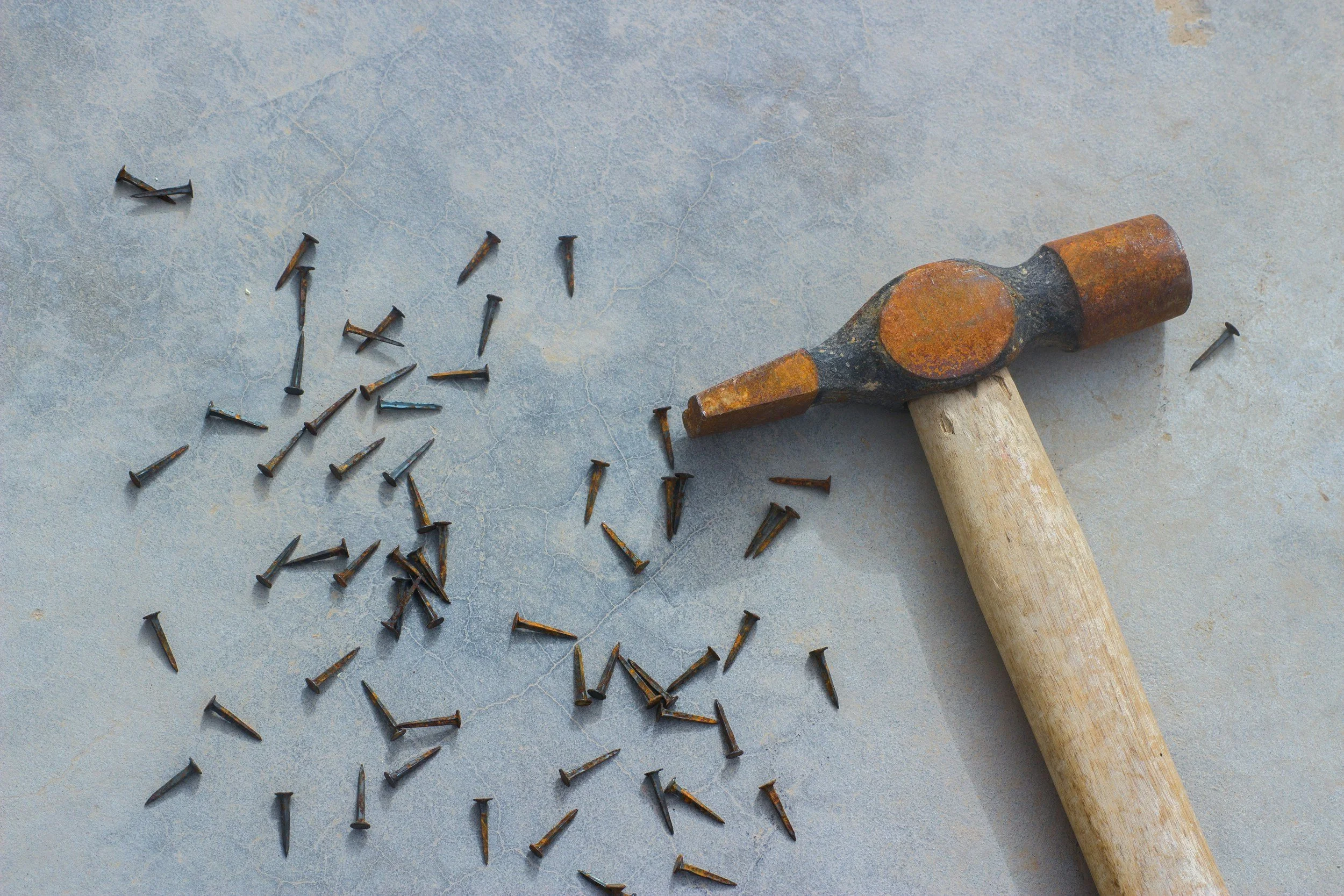
When you've got a hammer, everything looks like a nail
Unfortunately, despite the surge in awareness of autism and ADHD, a lot of clinicians assessing girls and women still lack up to date training in how this presents in females.
There’s also a hangover from the fact that until 2013, autism and ADHD couldn’t officially be diagnosed together - so many clinicians are trained to assess autism or ADHD, but not both. This is problematic. If a service can only assess one, you either get a misdiagnosis, or - far more commonly - you get one piece of the picture and go home still feeling like something doesn't quite add up.
In women seeking assessment, there are very often at least some characteristics of both autism and ADHD and that’s where the problem can lie
The figures in the research vary quite a bit, but studies suggest somewhere in the region of 30 to 80% of autistic people are also ADHD, and 30 to 50% of ADHDers are also autistic. In the women I see, there are very often at least some characteristics of both and that’s where the problem can lie: AuDHDers can come across as more social than you'd expect from an autistic person, and more organised (for example) than you'd expect from an ADHDer.
So if someone is only looking for one or the other diagnosis, the conclusion can be that a woman doesn't quite meet the threshold for either - when in fact she meets both. She then goes away believing she was wrong about herself. Which she wasn't.
And the most common route of all: your child
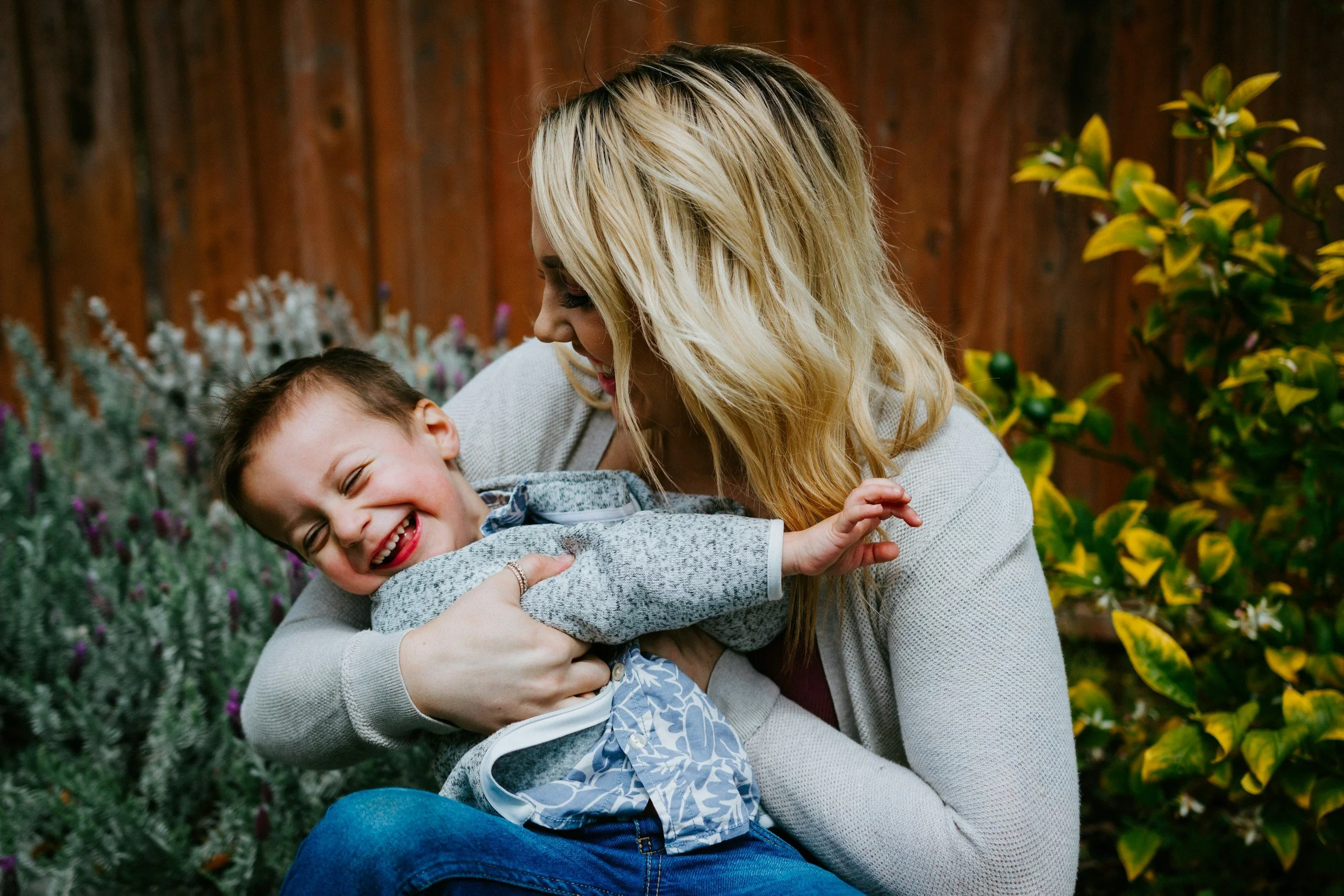
For a lot of the women I work with, what actually started the dominos falling was realising their child was neurodivergent.
They suddenly understand that if the characteristics they share with their child can be called autism or ADHD, then perhaps this applies to them too – especially when they read that it’s up to 90% genetically heritable. This can feel heavy - or like a light coming on.
If you and your child are neurodivergent, there's a good chance this is something that has been running in your family for generations
Women then tend to start looking the other way – to their parents, and grandparents – and generally spot a pattern. If you and your child are neurodivergent, there's a good chance this is something that has been running in your family for generations.
However, the lack of professionals’ recognition of autistic and ADHD traits in children, plus the untenably long NHS waiting lists, mean that finding a timely assessment for your child is not simple. These delays can then impact on women’s own recognition of their own traits, and then themselves may have to face long waits to be seen.
What not knowing does to a person
The women in our Neurodivergent Parent Space community talk about this a lot. Without a diagnosis like autism or ADHD, people tend to come up with their own reasons for why life simply feels more difficult for them. Our brains want an explanation, and in the absence of something coherent, we tend to blame ourselves.
This blame often turns into shame. When we believe we are the problem, we develop lots of strategies to protect ourselves from being rejected by others: masking, apologising, people pleasing, over-preparing, and growing a very loud inner critic to keep ourselves in line. It can be hard to keep track of who you are underneath all of this effort - which is why so many neurodivergent people say they don’t know who they really are, or what they really want or need.
When we believe we are the problem, we develop lots of strategies to protect ourselves from being rejected by others
Clearly, this is a recipe for burnout. But women often continue to blame themselves when this happens, because their inner critic says they just weren't trying hard enough, that other people manage, and that they just need to push through.
This self-blame can also get in the way of women considering autism or ADHD as a possible explanation for their differences. Women may feel like looking for a diagnosis would simply be an “excuse”.
Alternatively, they may also have internalised deficit-based narratives about what neurodivergence means, and find it difficult to see themselves in this identity at first. This combination of factors can create almost a “vortex of shame” that contributes to women not realising they are neurodivergent until later in life.
"But what if I'm making it all up?"
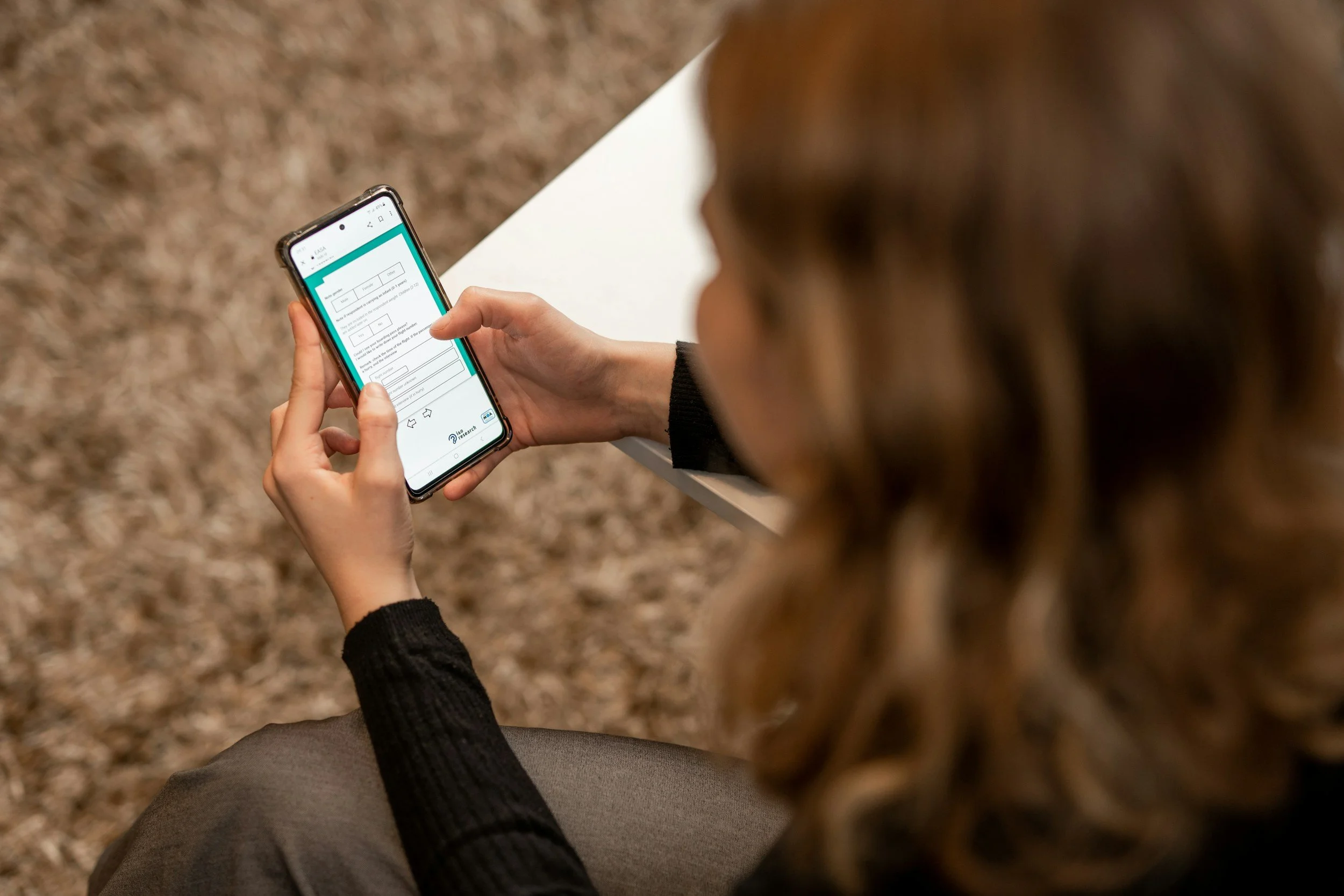
While self-identifying as neurodivergent is absolutely valid, I find that women tend to value the certainty of a formal assessment and the validation of a diagnosis, when and if it is given. However, surprisingly, even after a thorough, gold standard assessment, many women still feel unsure if the diagnosis is “real”.
Thoughts like “But am I really autistic or ADHD? Did I exaggerate in the assessment? Do my difficulties actually count, or are they not bad enough?” are all too common.
It's sometimes called neurodivergent imposter syndrome. Sadly, it’s hardly surprising given a lifetime of not being believed, alongside the very real (and very unhelpful and unfair) debates in the media about neurodivergence.
From my perspective, autism and ADHD are not up for debate. They're recognised medical diagnoses, and neurodivergence is an established socio-political movement.
There is no artificial “limit” on how many people can or should be autistic or ADHD
Neurodivergent characteristics are not new, we know they stretch back generations: we simply have words and understanding for it now. To me, there is no artificial “limit” on how many people can or should be autistic or ADHD. We are simply catching up and learning what the true prevalence of this neurotype actually is.
Grelief and Kindsight
Receiving a diagnosis can be a huge watershed moment in our lives. It can bring a huge range of emotions, including grief for the support you never got and life you could have lived, and relief that finally, things make sense. One group of researchers recently described this mix as “grelief”.
Other feelings such as anger, elation, shame, and anxiety are also common. One thing we notice the most though, is the almost immediate softening that women often feel towards themselves after a diagnosis – the ability to see your past through kinder, more understanding eyes, rather than contempt or judgement.
One thing we notice is the almost immediate softening that women often feel towards themselves after a diagnosis
This can be known as “kindsight”. Although it can come straight away, some women find it is more of a journey, and a gradual process of shifting and adjusting. Kindsight makes self-compassion seem possible, often for the first time.
This increased self-compassion usually has a hugely beneficial effect on self-esteem, mental health difficulties, and our ability to actually start meeting our own needs. It is one of the main reasons that diagnosis can be so important and powerful.

What needs to change
Clinicians need training in how autism and ADHD looks in women, across the lifespan, and not just against a childhood template built from boys.
We need broad neurodevelopmental assessment rather than single-condition clinics. The traits look similar at different points and need teasing apart properly. A service that can only assess one thing will keep missing women.
Ask what explains the whole picture before adding a fourth or fifth mental health diagnosis. And we badly need more joined-up thinking between physical and mental healthcare.
Believe women the first time she says something is wrong, different, or that what is happening to her doesn’t make sense.
Fix the access gap. Waiting lists that last years, and a private route that costs more than most families have, means the women who get identified are disproportionately the ones who could afford to be.
Schools need training to recognise internalised and masked presentations, especially around the move to secondary, where a dip in mental health or attendance is often the first thing anyone sees. Teachers don't need to be experts and shouldn't be diagnosing. But knowing the basics would let schools work alongside parents instead of dismissing them, and could prevent a good deal of what can come later, when women go undiagnosed for years.
Post-diagnostic support. A diagnosis is the start of understanding yourself, not the end of a process, and at the moment there's often almost nothing waiting on the other side of it.
And proper access to neuroaffirmative therapy. Usually the problem isn't the therapy model itself, it's that many therapists haven't been trained in neurodivergence or in how to adapt what they do.
You don't have to work all this out alone
If any of this resonates, we want you to know that you don't have to sit with it on your own. We recognised that while there are spaces for parents of neurodivergent kids, there was often nowhere to go for parents who were wondering whether they were neurodivergent, waiting for an assessment, self-identifying, or had received a diagnosis.
That’s why we created The Neurodivergent Parent Space.
The ND Parent Space is our online community especially for neurodivergent parents - somewhere you don't have to explain yourself, and a place that creates an anchor in the sea of family life, media storms and emotional ups and downs.
Live support sessions led by clinical psychologists, monthly webinars on hot topics, a back catalogue of replays, a library of tailored resources, an emotional regulation course… and most of all a group of people who get you.
There's a free two-week trial, and everyone's welcome. We’d love you to join us.
Dr Jo & The Neurodiversity Practice team
The Neurodiversity Practice is run by clinical psychologists with many years' experience across NHS, private, voluntary and university settings – and we're all parents too, with lived experience of neurodivergence in our own families.
Follow us on Instagram @theneurodiversitypractice for regular neurodiversity content for parents.
Author: Dr Jo Mueller, The Neurodiversity Practice